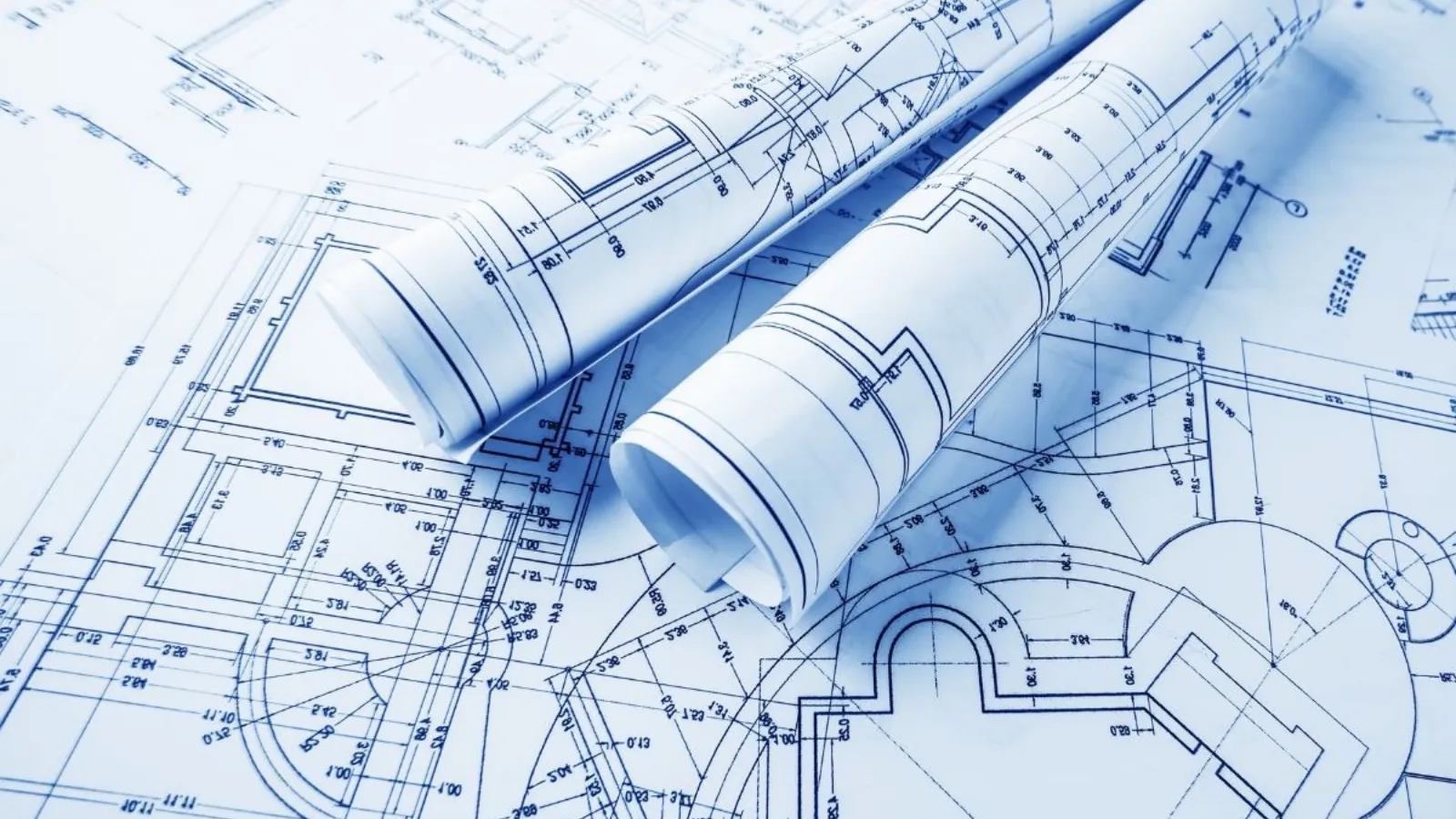
On 1 October, every new building project in Singapore must be submitted through CORENET X, whatever its size. The platform is run by the Building and Construction Authority and the Urban Redevelopment Authority with six other agencies. Projects of 30,000 square metres or more have worked this way since October 2025. Ongoing projects follow in October 2027.
If you are not an architect in Singapore, that reads like somebody else’s problem. It is worth five minutes anyway. This is the clearest example I have seen this year of something most teams have backwards. The technology did not change how this profession works. A date did.
What actually changes
The old way had a natural forcing point. Drawings came together, each discipline checked its own part, and the conflicts surfaced when the submission was assembled. Late, but the deadline made everyone resolve them.
Under the new platform, the coordination has to happen inside a shared digital model, and it has to happen earlier. Jonathan Ng, who runs Southeast Asia for the design software company Nemetschek, puts it plainly: “Teams must now resolve that spatial conflict in the digital environment weeks or months earlier than they used to.”
Nothing in that sentence is about artificial intelligence. It is about when work happens and who has to agree with whom. The regulator moved the moment of truth forward by a month or two, and everything upstream of it has to move as well.
That is what a hard date does to a workflow. It does not add a step. It changes which step comes first.
Where the AI sits, and where it does not
AI-assisted checking is part of how firms are absorbing this, and the division of labour is instructive.
The tools screen the repetitive material: model data that is incomplete, inconsistencies between disciplines, compliance points that can be flagged during design rather than discovered at submission. This is checking work that a person can do, but slowly, and badly on the fiftieth repetition.
What stays with the professional is the judgement. Ng’s example is a good one: choosing a fire-rated material given what the site allows and what the supply chain can actually deliver. There is no version of that decision where an accountable human is not in the room.
So the useful question is not whether the AI is any good. It is which half of the work you are pointing it at. Screening, or deciding.
Most teams that are disappointed by a tool pointed it at the deciding half.
The question to ask before the tool question
The best line in Ng’s account is this one: “Before firms ask whether an AI system is sophisticated enough, they should ask whether the underlying information is reliable enough.”
Translate that out of construction and it applies to every department I have worked with.
The AI reading your monthly report cannot tell that two divisions count headcount differently. The AI summarising your client records cannot tell that half of them were last updated in 2023. The AI screening your supplier contracts cannot tell that the signed version and the version on the shared drive are different documents.
None of those are technology problems. They were problems before anyone bought anything, and the tool simply moves them downstream faster.
This is also why the “just try it and see” approach produces such mixed results. When the information underneath is inconsistent, a capable tool gives you confident output built on it, and confident output is harder to challenge than a messy spreadsheet.
Who feels it first
The firms under the most pressure here are the small practices, the ones without dedicated digital staff. A large practice has people whose job is exactly this transition. A six-person studio has the same date and no one to hand it to.
If your team is not using AI yet, that is your position too. Somebody else sets a date. Nobody sets aside time to work out what it means for how the work flows. The date arrives anyway.
The answer is not to buy faster. It is to spend the afternoon on the workflow, which costs nothing and is the part nobody schedules.
What I would do this week
Three steps, none of which requires a technical background.
Find the date somebody else set. A regulation, a client requirement, an auditor’s timetable, a system your finance team is retiring. Something with a fixed date that will change how your team works. Most departments have one and have not written it down.
Write the workflow as it actually happens. Not the official process. The real one, with the waiting, the chasing and the version that lives in somebody’s inbox. An hour with a whiteboard is enough.
Mark each step as screening or judgement. Screening is checking things against a rule: is this complete, is it consistent, does it match the last version. Judgement is choosing between options where the answer depends on context.
When you finish, you will have a short list of screening steps, and those are the ones worth pointing a tool at. You will also have found the steps where the information going in is not reliable. Fix those first, because no tool fixes them for you.
Being straight about the source
Ng’s advice comes from someone selling building design software, and Nemetschek benefits when firms invest in exactly this. That does not make him wrong, and his central point works against a quick sale, since he is telling firms to check their information before buying sophistication. Treat the recommendations as an interested party’s, and check the regulatory facts yourself. They are published by the Urban Redevelopment Authority.
The deadline is Singapore’s and the profession is construction. The pattern is neither.
A date somebody else set is about to change how a lot of teams work. The AI decides how much of the checking you still do by hand. It does not decide when the work has to happen, and it never did.